Fibermaxxing: Feed Your Gut, Not the Hype
Fibremaxxing is everywhere right now, one of those wellness trends that seems to promise a whole new gut, a whole new mood, a whole new you.
But if you’ve felt a flicker of exhaustion at the thought of tracking yet another number, you’re not alone. Many of us find that most fiber advice leaves out the part where life gets busy and budgets get tight.
Somewhere between 25 and 30 grams a day is the usual target, a number that can feel out of reach for many. And yet gut health doesn’t ask for perfection.
It just asks you to start feeding the ecosystem within you, one affordable, doable plant at a time…
You’re Not Meant to Walk Alone
Join conscious seekers and illuminate your true self. Unlock higher awareness, prosperity, and whole-person well-being.
Join the Wholebeing Newsletter Today!
By signing up, you agree to receive our well-being emails, special offers, and agree to the Privacy Policy. You can unsubscribe anytime.
A Trend That Actually Holds Up
I used to feel a quiet pressure every time fiber came up, like it was one more thing I was supposed to be getting right and probably wasn’t. So when “fibremaxxing” started showing up everywhere, my first instinct was skepticism.
Another trend, another number to chase. But this one holds up.
Most adults worldwide eat somewhere around 15 to 20 grams of fiber a day, well under the 25 to 30 grams recommended by health guidelines in most countries, with only a small percentage of people actually reaching that range.
Underneath the trendy name is something genuinely useful: most of us really could benefit from more fiber, and most of us don’t need a supplement stack or a strict protocol to get there.
So what actually counts as fiber, beyond the bran and salads it’s usually associated with?
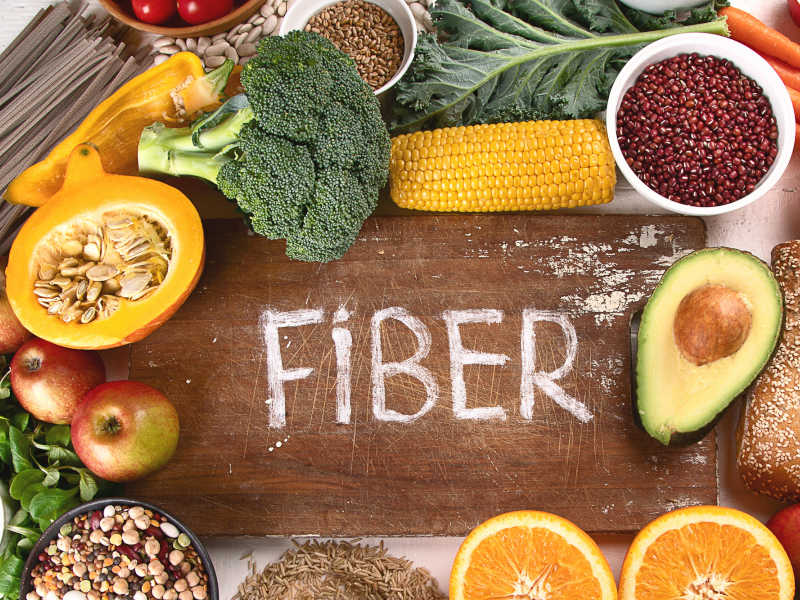
Beans, oats, lentils, nuts, and even the skins on your vegetables all quietly contribute, often in larger amounts than the “health food” staples we’re told to reach for.
Your Gut Is an Ecosystem, Not a Number
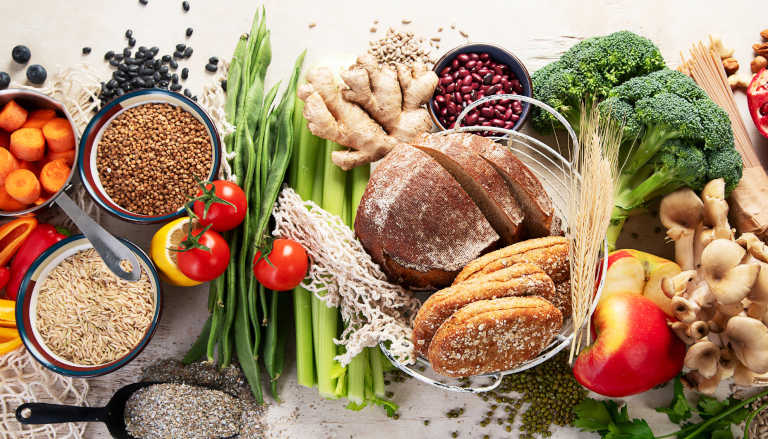
Here’s what makes fiber worth paying attention to. Your gut is home to trillions of bacteria, and fiber is one of their main sources of fuel.
When these microbes break fiber down, they produce short-chain fatty acids, compounds linked to a healthier gut lining, lower inflammation, and steadier mood and energy through the gut-brain connection.
This builds on something we touched on in our Wellness Alchemy piece on probiotics and fermented foods: your gut isn’t a machine to optimize, it’s a living ecosystem to tend. Fiber is simply the other half of that equation. It’s food.
Why does that matter beyond digestion?
Because a gut fed well doesn’t just move things along, it also produces compounds your immune system and nervous system rely on, which is part of why fiber intake is increasingly linked to mood and energy, not just regularity.
Every bean, oat, or handful of greens is less about hitting a target and more about feeding the community of organisms that quietly shape how you feel every day.
Diversity Over Perfection: Rethinking “30 Plants”
You may have come across the idea of eating 30 different plants a week for gut health.
It comes from real research, the American Gut Project found that people eating a wide variety of plants had more diverse gut bacteria than those eating the same few foods on repeat, regardless of total fiber intake.
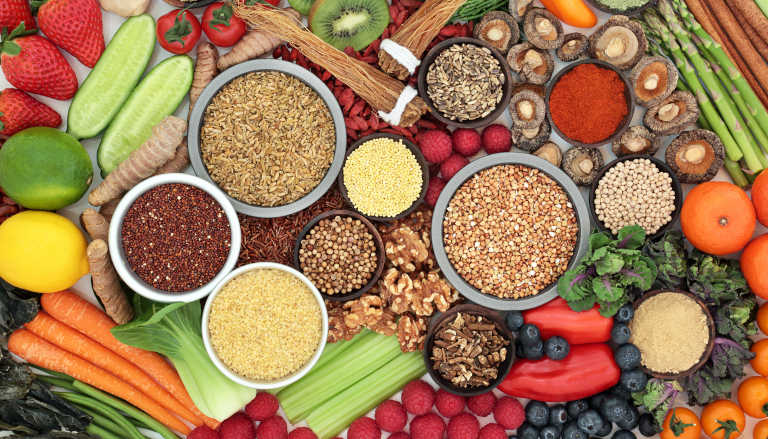
But “30 plants” can easily turn into one more checklist to fail at. Try holding it more loosely instead. Herbs and spices count. So do lentils, nuts, seeds, and whatever vegetables are already in your fridge.
You don’t need rare or expensive ingredients, and you don’t need to count anything. Curiosity works better than tracking here: trying a new bean, a different grain, an extra herb on your plate, all of it adds to the mix your gut is working with.
Does the amount of each plant matter, or just the variety?
Research suggests it’s mostly about range, not volume, a small spoonful of a new herb counts the same as a whole bowl of a familiar vegetable when it comes to feeding diverse bacteria.
Fibremaxxing on a Budget
This is often where fiber advice quietly excludes people, by leaning on pricey powders or specialty products. The truth is that some of the most fiber-rich foods are also some of the cheapest.
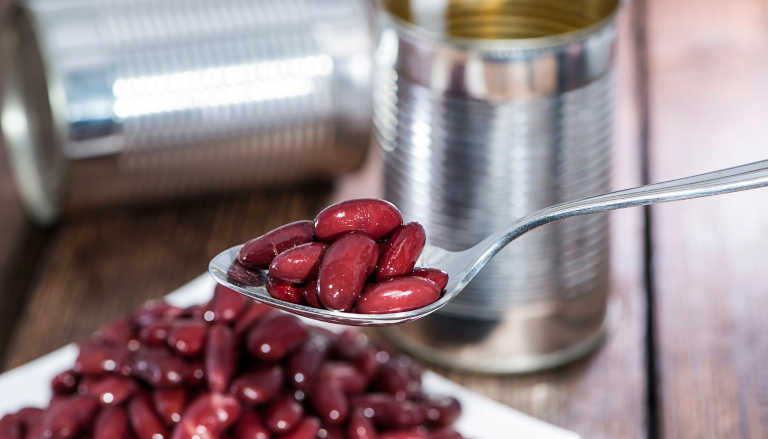
Oats, dried or tinned beans, lentils, frozen vegetables, and potatoes with their skins on are all affordable, high-fiber staples. Half a tin of chickpeas or lentils adds around 6 to 7 grams of fiber to a soup or curry. Frozen peas stirred into pasta or scrambled eggs is also an easy way to add more fiber.
Batch-cooking a pot of lentil soup or bean chili means fiber is already there when you’re too tired to think about it. Whole foods also do something supplements can’t: they come packaged with other nutrients your gut bacteria use too.
Is a fiber supplement ever worth it, then?
For some people managing specific conditions, yes, but for most of us, whole foods offer that same fiber alongside polyphenols and other compounds a powder simply leaves out. A small swap, like wholemeal bread instead of white, adds fiber without asking you to change your whole diet.
A Gentle Practice: The One Plant a Day Add
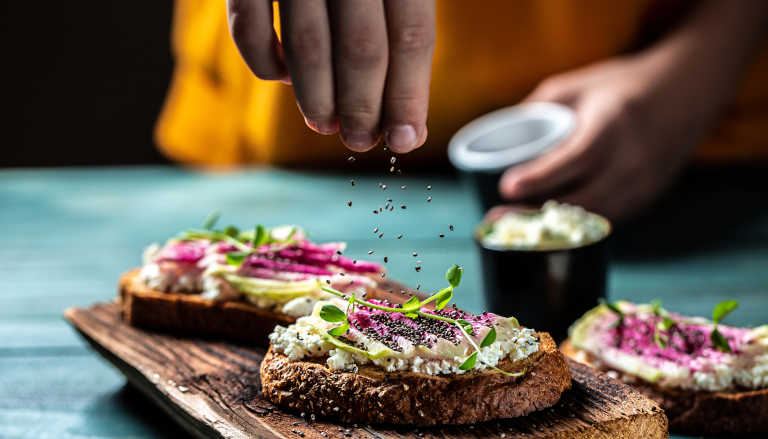
If this feels like a lot to take in, try just this: each day, add one fiber-rich food to a meal you’re already eating. Stir beans into a soup you’d make anyway. Sprinkle seeds on toast.
Add a handful of frozen spinach to whatever’s already in the pan. There’s no tracking required, no app, no number to hit.
What if you miss a few days?
Nothing resets. Gut bacteria respond to patterns over weeks, not single meals, so a missed day or two doesn’t undo the ones that came before it.
Just notice, gently, how you feel over the week. At the end of it, you might ask yourself: what did my body seem to enjoy this week? Some days you’ll remember to add something. Some days you won’t.
Both are part of the practice.

I hope my content sparks something deeper within: a moment of clarity, a gentle shift, or a deeply felt truth. Creating meaningful content takes time and heart. If you found value here, consider supporting the mission to keep this space alive.
– Vlad –
Progress, Not Perfection
Every plant you add counts, whether it’s one or ten. If you’ve felt discouraged by fiber numbers before, that’s not a personal failing, it’s a sign the advice wasn’t built with real, busy, budget-conscious lives in mind.
Your gut doesn’t need a perfect week. It needs a few more visitors at the table, whenever you can manage it. Start with tomorrow’s meal, one small addition, and let that be enough.
Share the Love, Spread the Wisdom
You May Also Like: